Belts & Hoses
Holding it Together: Understanding Your Vehicle's Belts and Hoses
The belts and hoses in any vehicle are essential for its proper functioning. If a belt breaks or a hose gets loose, the vehicle can develop issues that are often very expensive to repair. As your vehicle ages, these parts may deteriorate and require replacement.
At OK Tire Etobicoke, our technicians understand the importance of belts and hoses and inspect them for wear and tear at every routine checkup. Our experts can fix or replace belts or hoses and nip any issues in the bud before they get big and expensive.
Belts in Vehicles: Types and Purpose
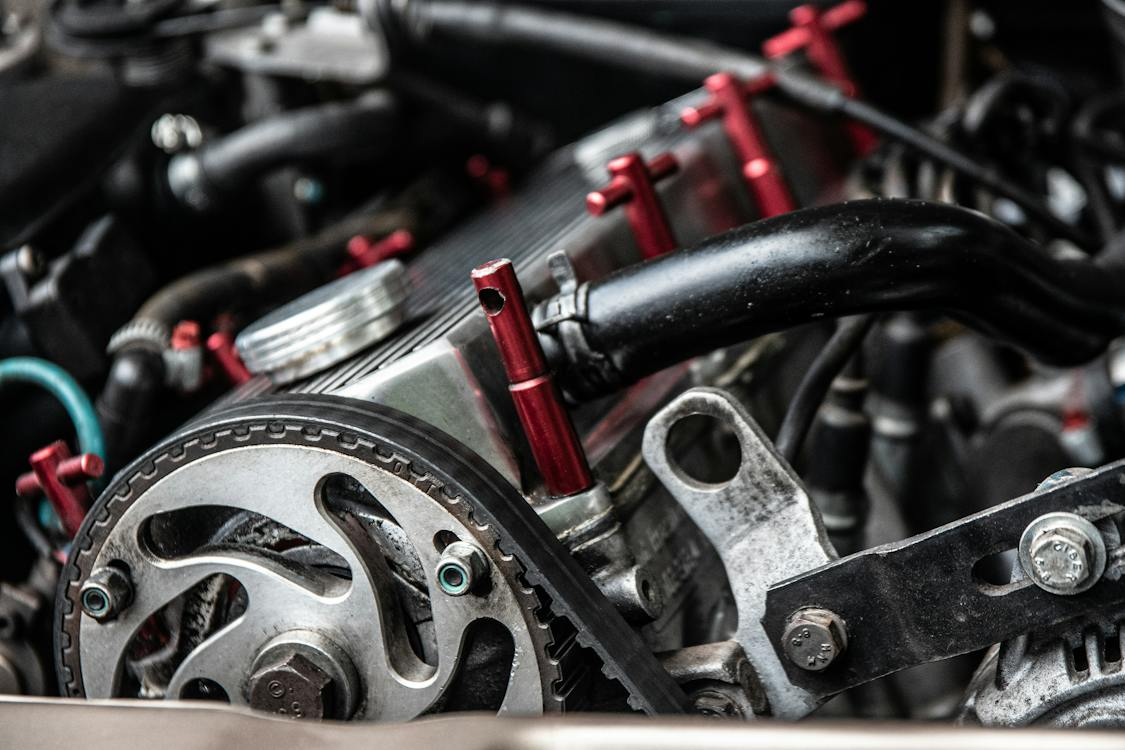
Belts play an important role in power transmission in vehicles with internal combustion engines. There are a few different types of belts that ultimately help the engine and other critical systems run.
Here are the different belts you’ll find under the hood:
Serpentine Belt
This belt drives multiple engine components, such as the alternator, power steering pump, and air conditioning compressor. It's a single, long belt that simplifies the design and reduces maintenance. It’s also called the drive belt or sometimes the fan belt.
Timing Belt/Chain
The timing belt has teeth that synchronize the opening and closing of the engine valve. It ensures precise timing and coordination between these components, contributing to efficient engine performance.
V-Belt
V-belts power various engine accessories, like the water pump, air pump, and sometimes the radiator fan. They transmit power from the engine's crankshaft to these components. V-belts are primarily present in older vehicles, as modern vehicles use a serpentine belt.
At OK Tire Etobicoke, we can take on belt replacement for old vehicles with V-belts or modern ones with drive belts.
Hoses in Vehicles: Types and Purpose
Typically made of rubber, hoses move fluids around the vehicle. Hose deterioration or blockage can prevent the proper functioning of the vehicle and even bring it to a halt.
Here are the different types of hoses in vehicles:
Radiator Hoses
Radiator hoses circulate coolant between the engine and the radiator. The upper radiator hose carries hot coolant from the engine to the radiator for cooling, while the lower radiator hose returns the cooled fluid to the engine.
These hoses are critical in maintaining the engine's operating temperature and preventing overheating. At OK Tire Etobicoke, we always visually inspect a vehicle's coolant hose for cracks or leaks.
Heater Hoses
Heater hoses transport hot coolant from the engine to the heater core, a component of the vehicle's heating system. The heater core releases heat into the cabin (for example, when you need heating in cold weather). These hoses are also used for defrosting.
Fuel Hoses
Fuel hoses carry fuel from the fuel tank to the engine. In fuel-injected vehicles, these hoses transport pressurized fuel to the fuel injectors, ensuring a proper air-fuel mixture for combustion.
Brake Hoses
Brake hoses, also known as brake lines, play a vital role in the braking system by moving the brake fluid from the master cylinder to the brake calipers or wheel cylinders. Flexible brake hoses allow for wheel movement and shock absorption. And they’re essential for vehicle and passenger safety.
Vacuum Hoses
Vacuum hoses are used in various automotive systems, including the brake booster, emissions control system, and HVAC (heating, ventilation, and air conditioning) components. These hoses transmit vacuum pressure to operate vacuum-controlled devices, such as the brake booster for power brakes or the HVAC system's controls.
Power Steering Hoses
In power steering systems, power steering hoses carry hydraulic fluid (power steering fluid) between the power steering pump and the steering gear or rack. These hoses enable the power-assist function, making steering smoother and more manageable for the driver.
Our experts can perform regular inspections and maintenance of power steering hoses.
Belt and Hose Maintenance
It’s vital to regularly check belts and hoses, as preventative maintenance can help you avoid complete failure of these components. Every model differs and may require belt or hose replacement after a certain period or mileage. Also, using the vehicle roughly impacts the condition of hoses and belts.
OK Tire Etobicoke's experts can thoroughly inspect your vehicle's belts, hoses, and other critical parts, like the belt tensioner. We offer belt and hose replacement according to the vehicle type and condition.
Signs to Look for
Here are the common signs of faulty belts or hoses under the hood:
- Belt squeal or chirping sound.
- Belt wear (cracks or fraying).
- Poor belt alignment.
- Battery or check engine light on.
- Hose cracks or bulges.
- Hose leaks (fluid under the vehicle or in the hood).
- Loose hose clamps (fluid buildup on edges).
- Hissing sound.
- Overheating.
- Air conditioning is not working.
- Poor steering.
Contact OK Tire Etobicoke for Belt and Hose Services
You can get quality maintenance services for belts and hoses at OK Tire Etobicoke, in business since 1968. From belt tension adjustment to hose replacement, we offer a variety of services. Our expert technicians can make sure your vehicle drives optimally.
Contact us at (416) 236-1277 and visit us at 61 Shorncliffe Road, Etobicoke ON M8Z 5K2!