Pothole Damage in Toronto: What Drivers Should Know
Every year, as winter transitions into spring, Toronto drivers face a familiar problem: potholes.
They seem to appear overnight on roads across Etobicoke and the GTA. One day the pavement looks normal — the next day there’s a deep crater that can damage tires, rims, and suspension components in seconds.
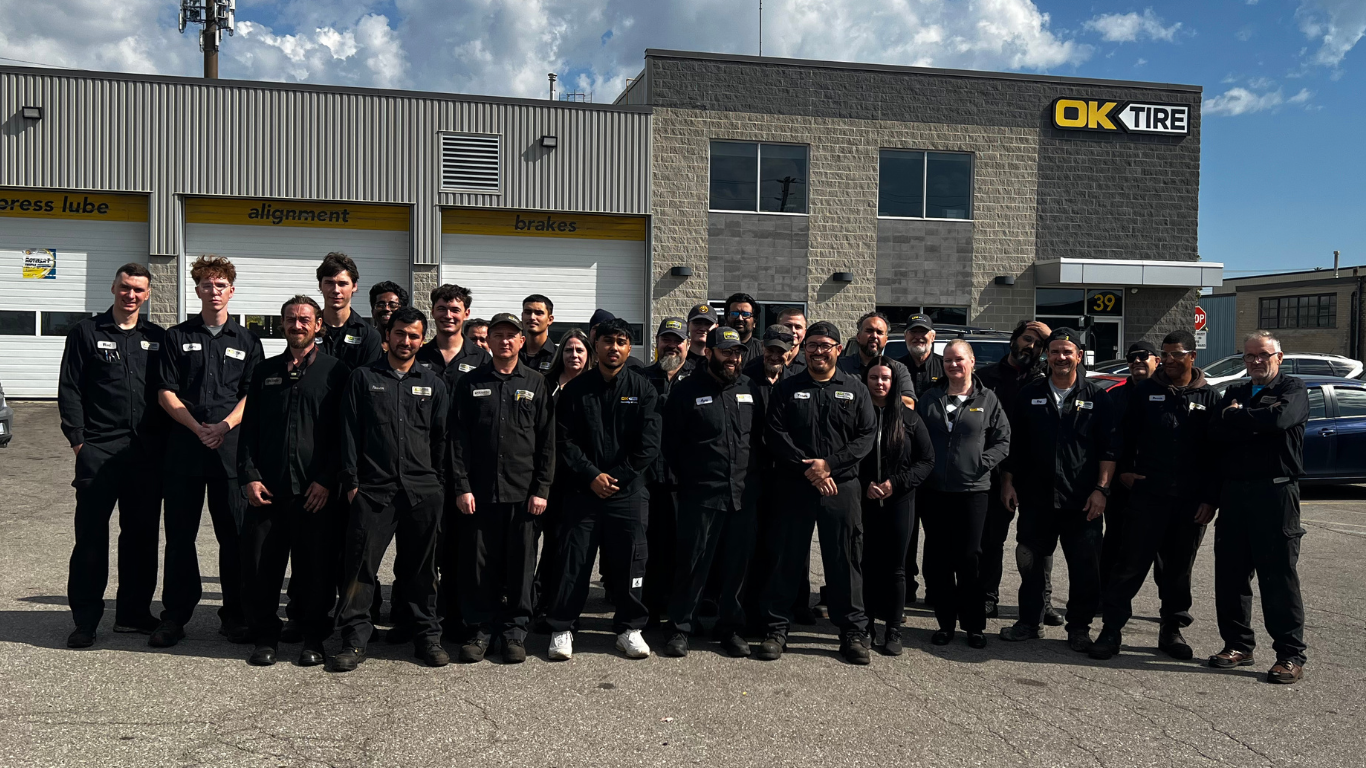
Recently, Sean Cooney-Mann, General Manager at OK Tire Etobicoke, spoke with CityNews about pothole damage and what drivers should watch for during this time of year.
You can watch the segment here:
While potholes are a seasonal reality in Canada, understanding how they form — and how they affect your vehicle — can help you avoid costly repairs and keep your car safe on the road.
Why Potholes Are So Common in Toronto
Potholes are not just the result of aging roads. In Canada, they are largely caused by freeze-thaw cycles, which happen frequently during late winter and early spring.
Here’s how the process works:
- Water seeps into cracks in the pavement
- Temperatures drop and the water freezes
- Frozen water expands, pushing the pavement apart
- When temperatures rise, the ice melts and leaves
empty gaps beneath the road surface
- Traffic passing over these weakened spots causes the pavement to collapse, forming a pothole
In cities like Toronto, where temperatures can fluctuate above and below freezing repeatedly in March, this process accelerates quickly.
That’s why pothole complaints tend to spike during this time of year across Etobicoke, downtown Toronto, and the wider GTA.
How Potholes Damage Your Vehicle
Many drivers underestimate the impact a pothole can have on their vehicle. Hitting one at speed can create a sudden force that travels through the tire, wheel, and suspension system.
Common types of pothole damage include:
Tire Damage
The tire is usually the first component to absorb the impact.
A hard pothole strike can cause:
- Sidewall bulges
- Tire punctures
- Internal structural damage
- Slow air leaks
Sometimes this damage isn’t visible immediately, which is why drivers should pay attention to changes in tire pressure or ride quality after hitting a pothole.
Bent or Cracked Wheels
Modern vehicles often use aluminum alloy wheels, which are lighter but more susceptible to damage from sharp impacts.
A pothole can cause:
- Bent rims
- Cracked wheels
- Air leaks around the tire bead
Even small bends can affect how the tire seals against the wheel, leading to persistent air loss.
Wheel Alignment Issues
Potholes can also knock your vehicle’s wheel alignment out of specification.
Alignment affects how your tires contact the road. When it shifts due to impact, you may notice:
- The vehicle pulling to one side
- Uneven tire wear
- Steering wheel vibration
- Reduced stability at highway speeds
Drivers across Toronto often experience alignment problems during pothole season because repeated impacts gradually shift suspension angles.
Suspension Damage
In more severe cases, potholes can damage suspension components such as:
- Control arms
- Ball joints
- Tie rods
- Struts and shocks
These parts are designed to absorb normal road irregularities, but a deep pothole can exceed what they’re built to handle.
Signs Your Car May Have Pothole Damage
After hitting a pothole, drivers should watch for warning signs that something may have been affected.
Common symptoms include:
- Steering wheel vibration
- A pulling sensation when driving straight
- Unusual tire wear
- New noises when turning or braking
- Low tire pressure shortly after impact
Even if the vehicle feels mostly normal, it’s a good idea to have it inspected if the impact was significant.
Small issues left unchecked can lead to larger problems over time.
Why Potholes Are Hard to Avoid in the GTA
Toronto drivers are especially vulnerable to potholes because of the nature of urban driving.
Road conditions can change quickly due to:
- Heavy traffic volume
- Construction activity
- Bus and truck routes
- Snowplows and winter road maintenance
- Rapid freeze-thaw temperature swings
Potholes are also difficult to see during winter because they often fill with water, slush, or snow.
From a driver’s perspective, what looks like a shallow puddle could actually be a deep hole in the pavement.
Tips for Avoiding Pothole Damage
While potholes can’t always be avoided, there are steps drivers can take to reduce the risk of vehicle damage.
Slow Down in High-Risk Areas
Driving at lower speeds reduces the force of impact if you do hit a pothole.
This is especially important on:
- Residential streets
- Construction zones
Roads with visible pavement damage
Keep a Safe Following Distance
Maintaining space between vehicles gives you more time to spot potholes and react safely.
If the car in front of you swerves suddenly, there may be a pothole ahead.
Avoid Puddles When Possible
Potholes often fill with water, making them impossible to judge visually.
If it’s safe to do so, try to steer around puddles in damaged road areas.
Maintain Proper Tire Pressure
Under-inflated tires are more vulnerable to pothole damage.
Correct tire pressure helps the tire absorb impacts and protects the wheel.
What to Do After Hitting a Pothole
If you hit a pothole hard enough to be concerned, it’s worth taking a few quick steps afterward.
First, check for obvious signs such as:
- A flat tire
- Visible wheel damage
- Warning lights on the dashboard
Even if everything appears normal, monitoring how the vehicle drives over the next few days is important.
If you notice pulling, vibration, or unusual tire wear, it may be time for a
wheel alignment or inspection.
Why Spring Is the Busiest Season for Alignment Checks
Automotive shops across Toronto often see an increase in alignment issues during March and April.
This is because drivers accumulate weeks of pothole exposure during winter.
Multiple smaller impacts — even if none seem serious at the time — can gradually shift suspension components out of alignment.
An inspection can help identify:
- Tire damage
- Bent wheels
- Alignment changes
- Early suspension wear
Addressing these issues early helps prevent uneven tire wear and more expensive repairs later.
Local Expertise Matters During Pothole Season
Drivers in Etobicoke deal with a mix of highway driving, city streets, and industrial routes — all of which can develop potholes during winter.
Local service centres understand how these conditions affect vehicles and can identify common damage patterns caused by Toronto roads.
In the CityNews segment, Sean Cooney-Mann highlighted how frequently drivers experience tire and wheel issues during pothole season and why inspections become more common at this time of year.
For many drivers, a quick inspection after a pothole strike can provide peace of mind and help ensure the vehicle remains safe to drive.
Final Thoughts: Toronto’s Pothole Season Is a Reality — But Damage Doesn’t Have to Be
Potholes are an unavoidable part of driving in Canada, especially during the transition from winter to spring.
But being aware of the risks — and knowing what signs to look for — can help drivers avoid serious damage and unexpected repairs.
For drivers in Etobicoke and across Toronto, pothole season is a reminder that road conditions can change quickly. Paying attention to how your vehicle feels and responding early to potential issues can make a significant difference in long-term vehicle safety and reliability.
And if you want to hear Sean’s perspective directly, you can watch the
CityNews segment featuring OK Tire Etobicoke above.