Everyone Blames Winter. But Summer Is Just as Hard on Your Battery.
There is a common belief that car batteries die in winter. And yes, cold weather does put a lot of strain on a battery but summer heat is actually what does the long-term damage. By the time your battery fails on a cold January morning, summer may have already done most of the work.
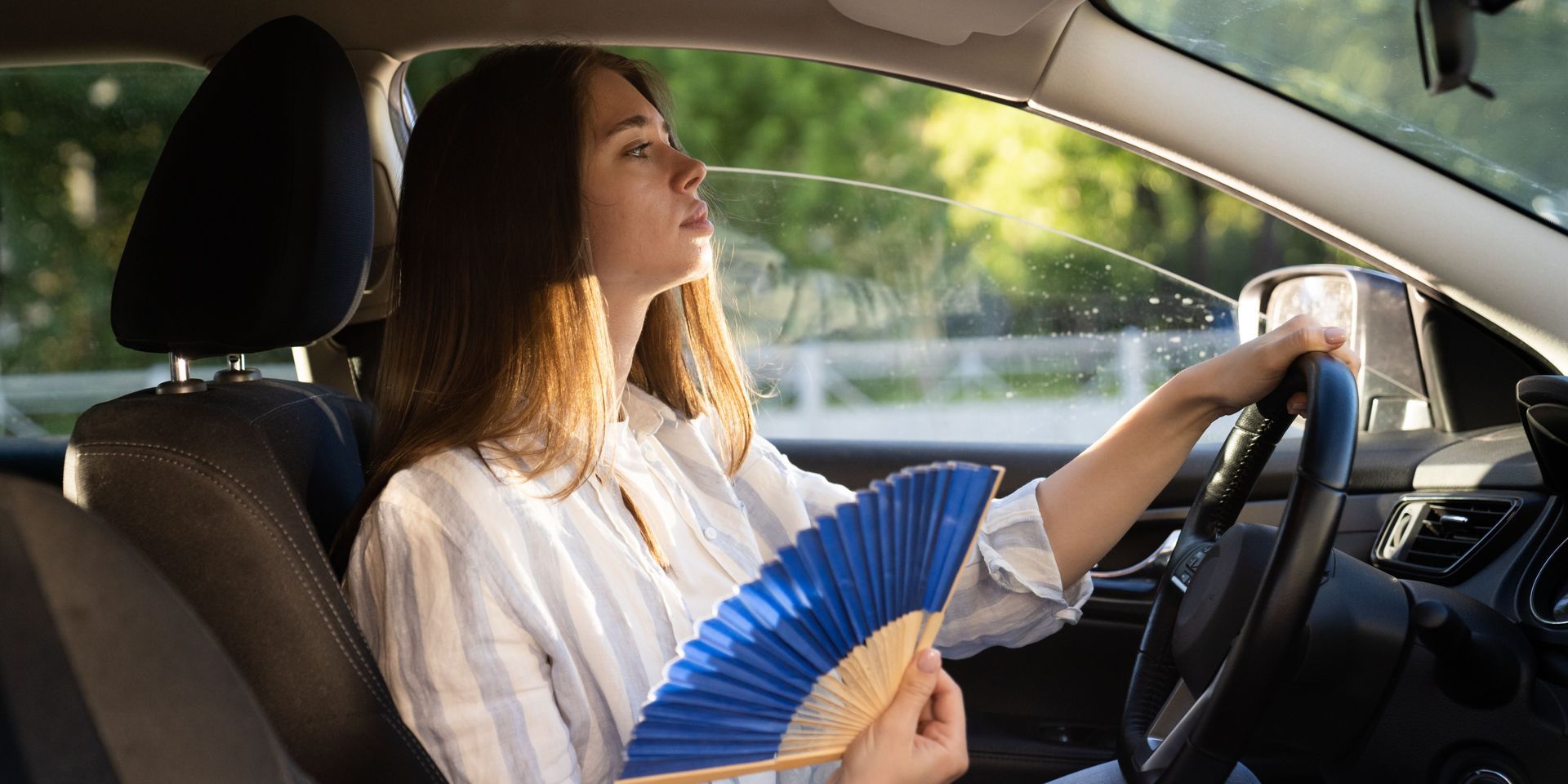
If your vehicle is sitting in a Toronto parking lot baking in 30-degree heat all day, your battery is quietly taking a hit. Here is why that happens, what signs to watch for, and what you can do about it before it becomes a problem.
What Heat Actually Does to a Car Battery
Your car battery works through a chemical reaction. Heat speeds that reaction up and not in a good way. Excessive heat causes the fluid inside the battery to evaporate, which damages the internal structure over time. Once that damage is done, it does not reverse itself.
The result is a battery that looks fine in the summer warmth but does not have enough reserve capacity left to handle the demands of a cold start in October or November. That is why so many batteries fail in fall, summer weakened them, and the first real cold snap finished the job.
A battery that is already a few years old is especially vulnerable. The older the battery, the less it can handle the stress of repeated heat exposure.
Signs Your Battery May Be Struggling
Most car batteries last three to five years, less in a climate like Toronto's that swings between brutal winters and hot summers. Sometimes a weakening battery gives you warning signs. Other times it just goes. But here are a few things worth paying attention to:
- Slow engine crank. If the engine turns over more slowly than usual when you start the car, that is often a battery showing its age.
- Electrical gremlins. Flickering interior lights, a dim dashboard, or accessories that seem sluggish can all point to a battery that is not holding a full charge.
- The battery warning light. If it is on, get it checked. It does not always mean the battery itself, it could be the alternator, but either way it needs attention.
- Your battery is more than three years old. This alone is a reason to have it tested, especially heading into the second half of summer.
Testing Your Battery Takes About Five Minutes
The good news is that you do not have to guess. A battery test is quick, non-invasive, and tells you exactly where your battery stands and how much charge it's holding, whether it's declining, and whether it's likely to make it through another Ontario winter.
It's the kind of thing that takes five minutes and can save you from being stranded somewhere inconvenient.
This July, OK Tire Etobicoke has a special offer on battery services. Come in, get your battery tested, and know exactly where you stand before summer gets any hotter.
What About the Alternator?
While we are on the subject, a battery and an alternator work together, and a failing alternator is often mistaken for a battery problem. The alternator charges your battery while the engine is running. If it is not doing its job properly, your battery drains even if it is perfectly healthy.
When we test your battery at OK Tire Etobicoke, we look at the whole charging system and not just the battery in isolation so you get a complete picture of what is actually going on.
A Few Things That Drain Your Battery Faster in Summer
Beyond the heat itself, a few summer habits put extra strain on your battery:
- Short trips. Your alternator recharges your battery while you drive. Very short trips, running errands around Etobicoke, quick stops do not give it enough time to fully recharge. If most of your driving is short distances, your battery gradually loses charge over time.
- Leaving things plugged in. Phone chargers, dashcams, and other accessories draw power even when the engine is off if they are plugged into a live port. Over time, especially on hot days when the battery is already stressed, this adds up.
- Cranking the AC immediately. Starting the car and immediately running the AC, heated seats, and charging a phone all at once puts a heavy load on the battery right at startup. Not a dealbreaker, but worth being mindful of if your battery is already aging.
Frequently Asked Questions
Does summer heat really damage car batteries?
Yes. Heat causes battery fluid to evaporate and degrades the internal structure over time. Many batteries that fail in winter were actually damaged during the previous summer.
How long does a car battery last in Toronto's climate?
Typically three to five years, though Toronto's combination of harsh winters and hot summers can shorten that lifespan. If yours is approaching three years, it is worth having it tested.
How do I know if my car battery is dying?
Common signs include a slow engine crank, flickering or dim lights, sluggish electrical accessories, or a battery warning light on the dashboard. That said, batteries can also fail without much warning, testing is the most reliable way to know.
Is it the battery or the alternator?
Both can cause similar symptoms. A proper test looks at the full charging system, battery and alternator together, to identify the actual source of the problem.
Where can I get my car battery tested in Etobicoke?
OK Tire Etobicoke at 61 Shorncliffe Road. We are running a special offer on battery services this July, come in and we will test your battery and charging system quickly and accurately.
Can a short commute drain my battery?
Over time, yes. Short trips do not give your alternator enough time to fully recharge the battery. If most of your driving is short distances, your battery gradually loses reserve capacity.
Come in we have a special offer on Battery Services
Do not wait for a dead battery to tell you it was time. Come see us at OK Tire Etobicoke this month and take advantage of our July special on battery services. It is a five-minute test that could save you a lot of hassle down the road.
OK Tire Etobicoke
61 Shorncliffe Road, Etobicoke ON M8Z 5K2
(416) 236-1277
Monday to Friday: 8:00 AM to 6:00 PM | Saturday: Seasonal
Request a Service Appointment