You are driving in the rain and everything feels normal, then suddenly it does not. The steering goes light, the car drifts, and for a second you are not really in control of anything. That is hydroplaning, and it can happen faster than most drivers expect.
The good news is that it is largely preventable. Understanding what causes it and what condition your tires need to be in makes a real difference especially on Toronto and Etobicoke roads during summer/fall rain season.
What Is Hydroplaning?
Hydroplaning happens when water builds up in front of your tires faster than the tire can push it away. Instead of gripping the road, your tires ride up on a thin layer of water. At that point you have lost traction which means no meaningful steering, no effective braking, and no real control until the tires find the road again.
It does not take a major storm. A sudden summer downpour on the 427 or the Gardiner, a puddle from an overnight rain, or even a light drizzle on a road that has been baking in heat all summer can create the right conditions. The oilier and smoother the road surface, the less water it takes.
Speed plays a big role too. The faster you are going, the less time your tires have to channel water away. Hydroplaning can begin at speeds as low as 80 km/h on a wet road, and the risk increases sharply from there.
Tread Depth Is Everything
Your tires are designed to deal with water. The grooves in the tread, those channels and patterns that look almost decorative, are actually engineered to move water away from the contact patch so the tire can grip the road underneath. A tire in good condition can channel several litres of water per second at highway speed.
A worn tire cannot do that. As tread wears down, those channels get shallower. Less water gets moved. The tire rides higher on the water layer and loses contact with the road more easily.
This is why tread depth is the single most important factor in hydroplaning risk. Ontario law sets a minimum tread depth of 1.5mm but that is a legal floor, not a safety target. Most tire experts recommend replacing tires well before that point, particularly if you drive highways or deal with heavy rain regularly.
Not sure where your tires stand? A quick tread depth check at OK Tire Etobicoke takes minutes and tells you exactly what you are working with.
Other Factors That Increase Hydroplaning Risk
Tread depth gets most of the attention, but a few other things contribute:
Tire pressure. Under-inflated tires have a larger, flatter contact patch. That might sound like more grip, but it actually makes it harder for the tire to channel water efficiently. Keeping your tires at the correct pressure which you can find on the sticker inside your driver's door, reduces hydroplaning risk and improves handling overall.
Speed. The relationship between speed and hydroplaning is not gradual, it ramps up quickly. Slowing down in heavy rain is one of the simplest and most effective things you can do.
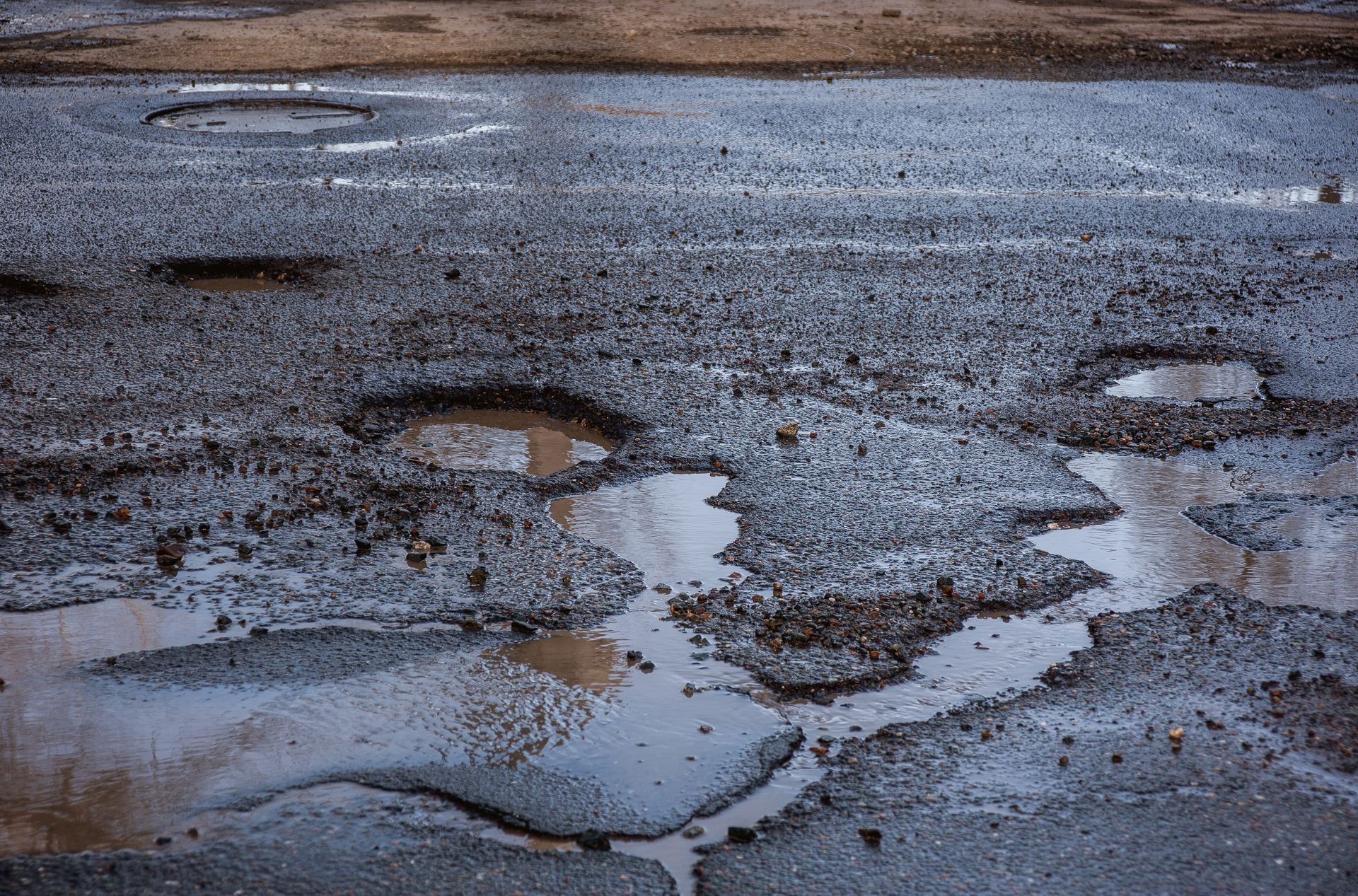
Road condition. Smooth, worn pavement holds water rather than draining it. The first rain after a long dry stretch is especially dangerous because oil and rubber residue that built up over the summer lifts to the surface and creates a slick film before the rain washes it away.
Tire age. Even tires with adequate tread can harden and lose flexibility over time. Old rubber does not conform to the road surface as well, which affects wet grip. If your tires are more than five or six years old, age alone is a reason to have them looked at.
What to Do If You Start Hydroplaning
Even with good tires and careful driving, it can happen. Here is what to do if you feel it:
Stay calm and ease off the gas. Do not brake hard, that can make things worse. Gently lift your foot off the accelerator and let the car slow down naturally.
Hold the wheel steady. Do not jerk the wheel. Keep it pointed where you want to go and let the tires find the road again.
Brake gently if needed. If you have to brake, do it softly. Most modern vehicles have ABS which helps, but hard braking on a hydroplaning car can cause a spin.
Wait for the car to reconnect. It usually takes only a second or two. Once you feel the steering weight return, you are back in contact with the road.
The Budget Option That Still Keeps You Safe
If your tires are worn and budget is a concern, do not put off replacing them. Worn tires in wet conditions are a genuine safety risk, not just for you but for everyone around you.
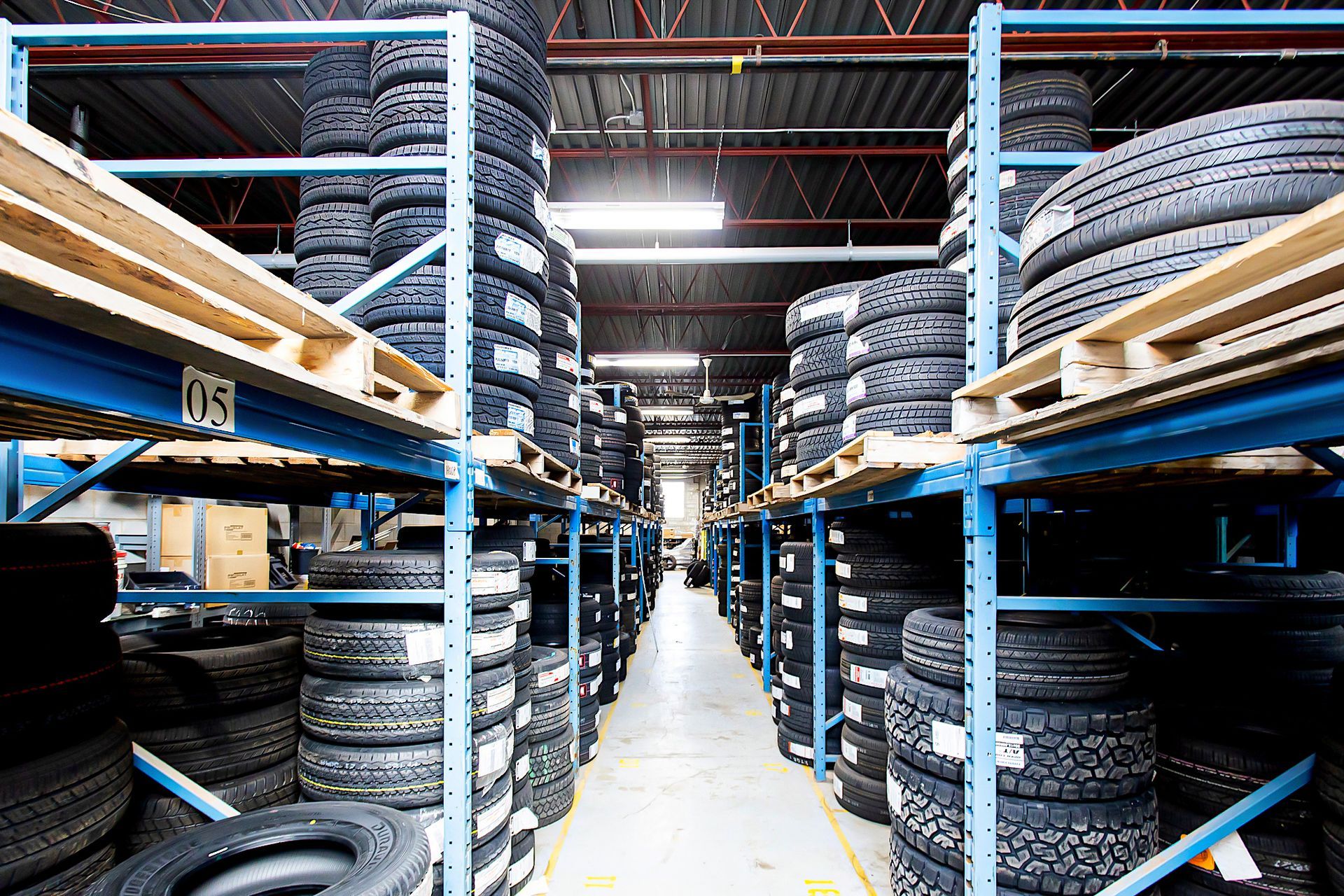
This is exactly where OK Tire Etobicoke's pre-owned tire inventory makes sense. A quality pre-owned tire with good tread depth handles water far better than a worn-out new one. If the cost of a full new set is a barrier right now, come talk to us. We carry inspected pre-owned tires and wheels that can get you back to driving safely without the full retail price tag.
Get Your Tires Checked Before the Next Rainstorm
August in Ontario means unpredictable weather - hot and dry one day, a heavy downpour the next. The time to think about your tires is before the rain, not during it.
If your tires are worn, losing pressure regularly, or just due for an inspection, come see us at OK Tire Etobicoke. We will tell you honestly where things stand and what makes sense for your vehicle and your budget.
Request a Service Appointment
Browse our
custom wheels,
automotive services, and
auto detailing pages for more information.